Introduction
Float glass, a type of flat glass, is named for the method by which it is produced. The molten glass is poured onto a bed of molten tin, where it floats and spreads out evenly, creating a smooth and uniform surface. This process involves several departments, each playing a crucial role in the production of high-quality float glass.
Departments in a Float Glass Company
Mining Department

The mining department is responsible for identifying suitable mines and extracting silica, the primary raw material for glass production. In addition to silica, this department can also extract dolomite, feldspar, and other raw materials used in the float glass industry. Alternatively, these materials can be purchased externally to streamline the process.
Dressing Department


The dressing department receives the raw materials from the mining sector and processes them to produce the raw materials needed for glass production. The grading, iron content, and purity of these materials are of utmost importance to ensure the quality of the final product.
Batch Plant
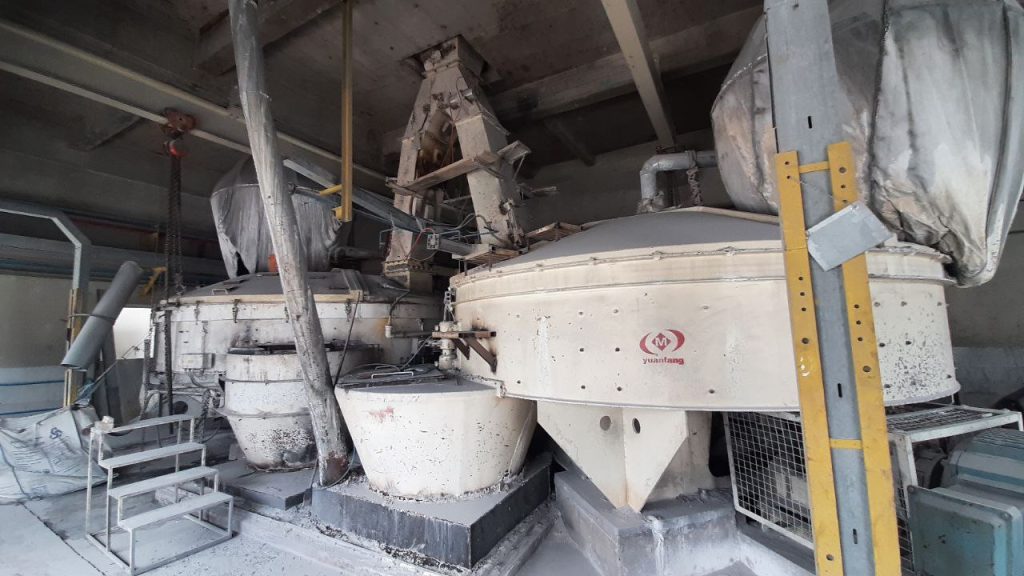
The batch plant is where the raw materials, including silica, dolomite, feldspar, soda ash, coke, salt cake, and limestone, are stored and mixed to produce the batch. This batch is then sent to the furnace for melting.
Production Department
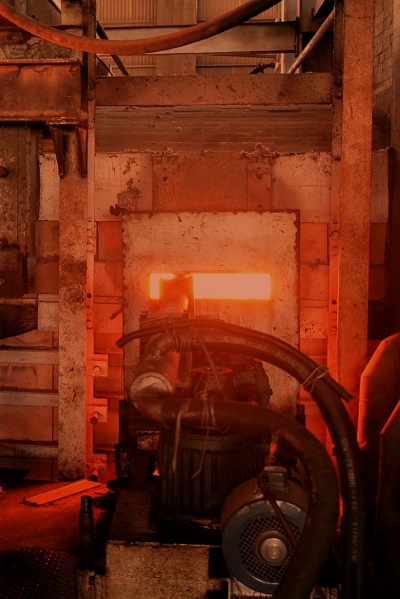
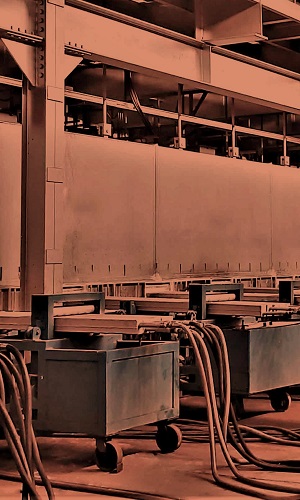
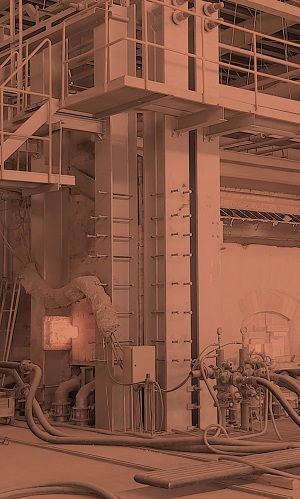
The production team manages the furnace, tin bath, and annealing lehr. They oversee the transformation of the batch into glass, ensuring the process runs smoothly and efficiently.
Cutting and Storage
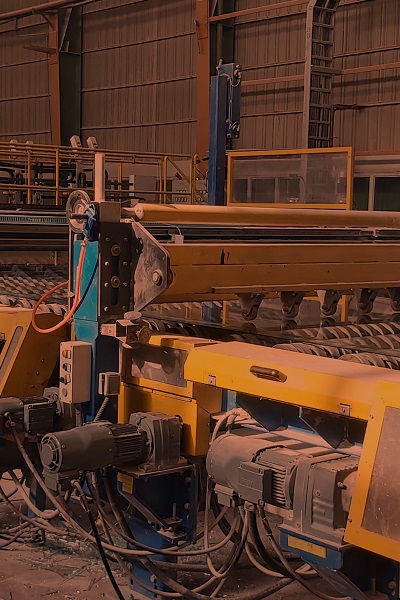
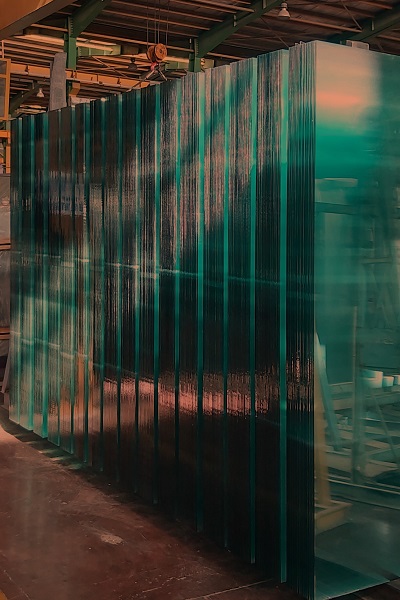
After annealing, the glass is cut into the desired sizes and stored in a dedicated area before being shipped to customers.
Types of Float Glass
Float glass can be categorized based on various factors, such as light transmittance and additional processing required.
Based on Light Transmittance
Clear Glass: Standard float glass with no special modifications.
Extra Clear Glass: Has a higher light transmittance than clear glass.
Ultra Clear Glass: Offers the highest light transmittance, more than 92%.
Based on Color and Reflection
Reflective Glass: Has a metallic coating to reflect more light, reducing glare and heat.
Tinted Glass: Contains added minerals to change its color.
Based on Additional Processing
Stained Glass: Has been colored by adding metallic salts during its manufacture.
Security Glass: Includes types like tempered glass and laminated glass, which undergo additional processing for enhanced safety.
Smart Glass: Changes its light transmission properties when voltage, light, or heat is applied.
Anti-Reflective (AR) Glass: Has been treated to reduce the amount of reflection.
Now that we’ve delved into the intricate process of float glass production and the various departments involved, let’s broaden our perspective. Glass, as a material, is not limited to its basic form. It can be transformed and tailored to serve a multitude of purposes. In the following sections, we will explore the diverse types of glass that can be produced, each with its unique properties and applications. This will give us a comprehensive understanding of the versatility and adaptability of glass as a material in various industries. So, let’s dive in!
Based on Manufacturing Process
Float Glass: This is the standard glass made from sodium silicate and calcium silicate.
Shatterproof Glass: This type of glass is used for windows, skylights, floors, etc. It has a layer of plastic polyvinyl butyral, which prevents it from forming sharp-edged pieces when it breaks.
Laminated Glass: This is a combination of layers of ordinary glass. It has more weight than normal glass and is UV proof and soundproof.
Based on Special Properties
Extra Clean Glass: This type of glass has two unique properties, photocatalytic and hydrophilic, which make it stain-proof and give it a beautiful appearance.
Glass Blocks: These are often used in construction for their aesthetic appeal and the ability to let in light while preserving privacy.
Glass Wool: This is a type of insulation that consists of fibers of glass arranged using a binder into a texture similar to wool.
Insulated Glazed Units: These are made of two or more panes of glass separated by a vacuum or gas-filled space to reduce heat transfer.
Each of these types of glass has its unique properties and applications, further enhancing the versatility of glass as a material in various industries. Remember, the categorization of glass types can vary based on different factors such as manufacturing process, composition, and specific properties. It’s always important to choose the right type of glass for the right application.